


Good afternoon, everyone.
If you were traveling during Father’s Day last month like I was, you can make up for it with tickets to Bob Dylan at Forest Hills on July 21st.
Today in Feed Me: A new midtown newsstand selling Iraqi Cokes and old magazines, Recho Omondi on the biggest open secret about New York’s fashion world, Downtown Brooklyn is getting a five-story mall, the latest hobby of Upstate New York teenage boys, and Matthieu Blazy replaced the Chanel bride with a revenge dress.
Browsing and posting on the Feed Me Job Board is free. Roles this week include:
☎️ Communications Manager at The Cutting Room Floor
👖 Creative Marketing Manager at Eckhaus Latta
🎨 Design Director at Day Job
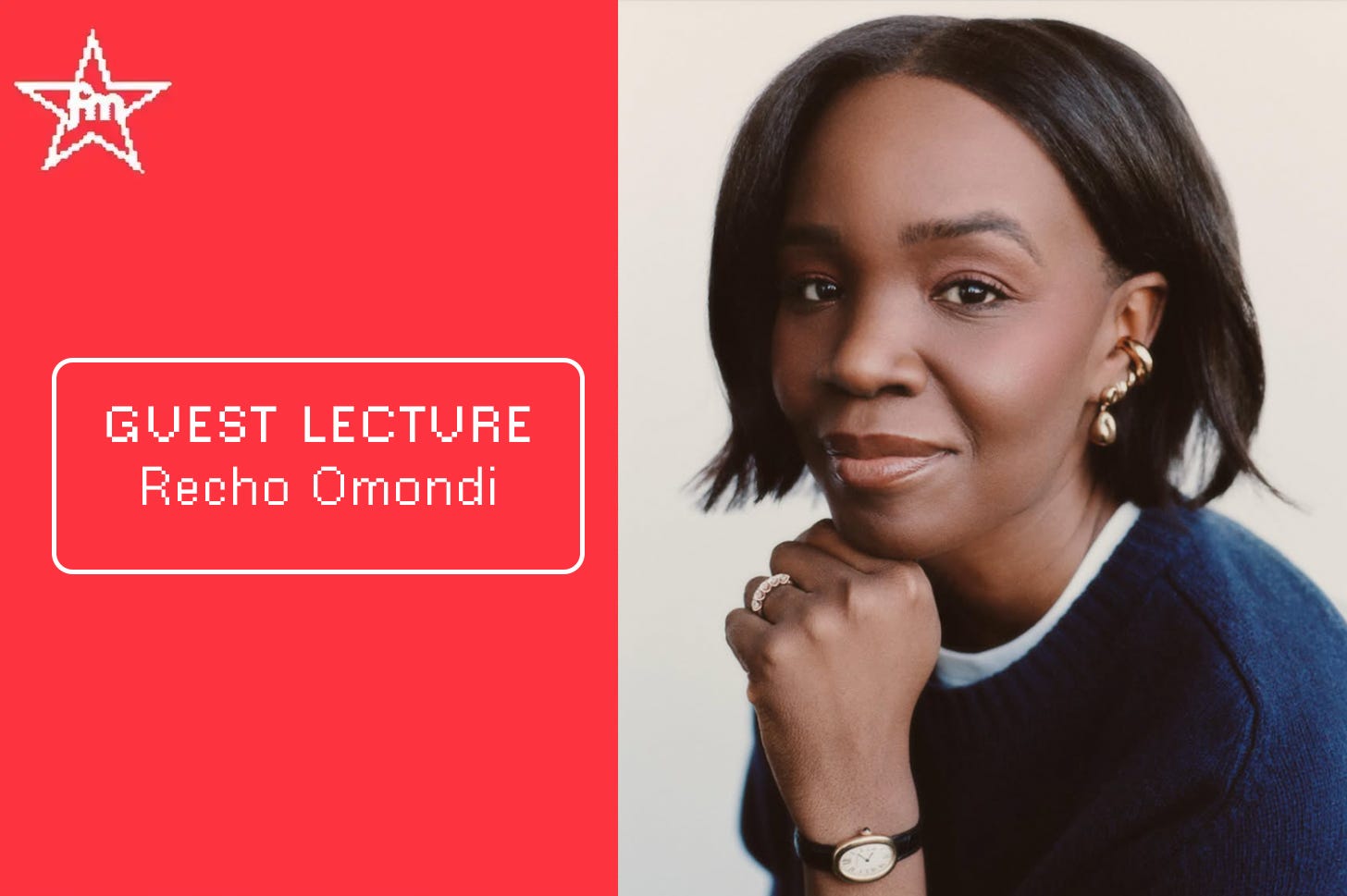
This interview is part of a Feed Me feature called Guest Lecture. In this series, I introduce you all to an expert who I’m curious about, and give paid readers an opportunity to ask them anything they want. Past guests have included Alison Roman, Rachel Karten, and Jake Sherman.
Recho Omondi is the host of The Cutting Room Floor, a podcast about the fashion industry and the people who occupy it. I started listening during COVID and have been a devout listener since. Today, Recho answers your questions about paywalls, New York’s fashion world secrets, and fandom.
“If you were starting a show again today, what would your strategy be with free vs paywalled content?” - Macy
If I were starting from scratch today, I’d probably go all in on TikTok first. Just to test the market and find out whether people genuinely care about your POV. If you build a loyal audience that consistently shows up for you, then maybe I’d experiment with a paid offering that gives them a compelling reason to come along.
You have to be thoughtful about the relationship between your free and paid content, though. If you’re giving everything away for free, the audience will wonder what’s different about the paywalled experience. The paid offering has to feel meaningfully distinct. There has to be a real value proposition. What is someone getting in exchange for their money? That’s something every creator has to answer for themselves.
“Where do you see the most benefits from paywalling your full conversations as opposed to others who share on YouTube? How and where do those benefits show up and how do you approach growth with that in mind? (thinking a lot about paywalling conversations that often happen behind closed doors as a way to mitigate some of the pain of sharing publicly for *everyone in the world* to weigh back in on)” - Cait
For me, one of the biggest benefits of the paywall is that I’m no longer a slave to the algorithm, which has become more and more tyrannical over the years. I like knowing that my audience knows where to find me. I don’t have to constantly chase trends or make content that feels inauthentic just to stay visible.
The other major benefit is the good-faith conversation. When people are paying to be there, it’s an intentional choice, which creates a positive environment. The comments and discussions happen in much better faith because there are fewer drive-by content consumers and fewer people showing up just to argue for sport. This makes it easier to have nuanced conversations, without every subject getting flattened into a debate.