


Good morning everyone. How are you all celebrating the warm 41°F weather today?
Today’s newsletter includes: Mexico City’s most famous grilled fish is coming to America, launching a Substack newsletter can get you a New York Magazine interview, and Isabella Rossellini’s farm is making wool.
Have a story idea for me? Reply to this email or text the anonymous Feed Me Tip Line: (646) 494-3916
Guest Lecture: Julia Collier
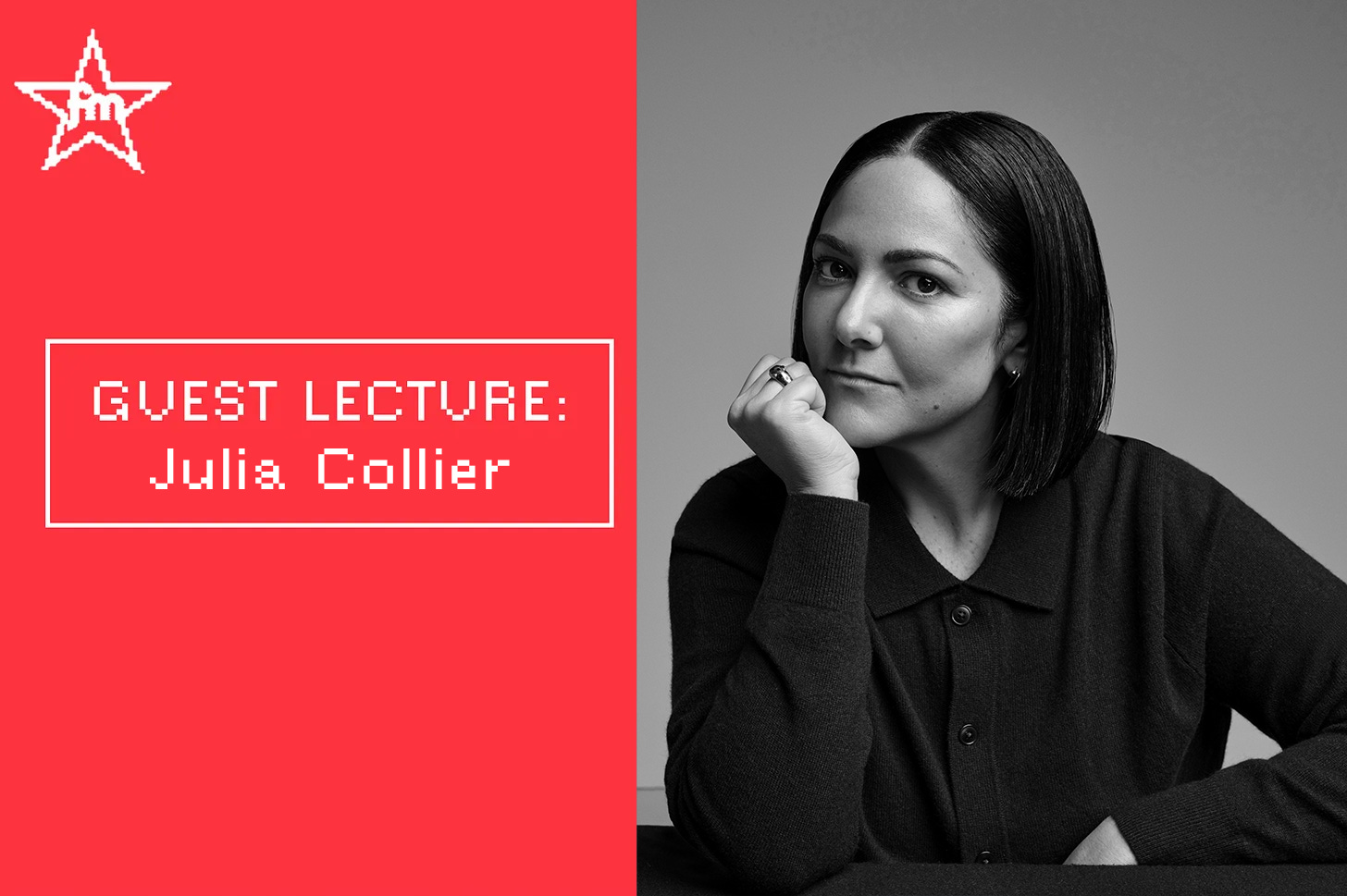
This interview is part of a Feed Me feature called Guest Lecture. In this series, I introduce you all to an expert who I’m curious about, and give paid readers an opportunity to ask them anything they want. Past guests have included Keith McNally, Andrew Ross Sorkin, and Audrey Hobert.
Today, J.Crew’s CMO Julia Collier discusses what she looks for when hiring, the most recent Rollneck Sweater campaign (“We thought about the casting for this campaign as if we were building characters in a John Hughes film”) and that brand trip to Puglia last summer.
“I want to know what the hiring process feels like right now vs. when you got started in your career. Are there any patterns (good or bad) you’re seeing in young people that you’re interviewing?” - Emily
When I was getting started in my career, roles were much more linear: you were hired to do one thing. Now the requirement in creative and communications fields is to flex across many things and pivot constantly to the ever-changing landscape. This is a reflection of how brands need to behave to be successful, but also how younger people naturally think. Social media has changed everything — how we consume news, our access to celebrities, and, of course, the domination of influencer and creator culture — and all at lightning speed.
The qualities I always look for in anyone I’m hiring are excitement, flexibility and a positive attitude. These things may sound obvious, but they go such a long way in being part of a fast-paced culture where working as a team is so important. When interviewing, the people who tend to stand out the most are also curious and active listeners — they ask questions based on the conversation you have had in the interview, which always shows they are engaged and connected.
“What are some lessons you’ve learned from previous bosses that make you a better team leader?” - Tamzin
The best leaders I have worked for were all clear, generous, and most importantly, decisive. They gave context, not just direction, which enabled their teams to feel part of the process instead of executors. Their decisions were always made with conviction — successes were collectively celebrated and failures were learning opportunities. Even in the most high pressure situations, the best leaders I’ve had always made sure you knew that you were in it together — good and bad!
But the main thing I have always carried with me is that first and foremost we are all human beings. This is our job, and if we are lucky enough to work for a brand doing creative and impactful work, then what a gift! But at the end of the day we go home to our family, friends, and pets; that time needs to be preserved and honored. I have always been someone who leads with trust, I don’t need to see you at your desk working until the evening — go home, have time away from the office, live your life, because that is where experience comes from. Having a healthy balance creates the right mental space to think creatively and more freely.
“What tangible materials are you looking for as you seek young talent in the creative brand space? How much is a portfolio of assets and design mockups/use cases weighed compared to just a resume and job experience? Or is it less tangible work examples and more about thought process, ideas and approach now?” - Yanit
Portfolios matter a lot, but not in the traditional sense of perfect mockups. I care less about polish and more about your thinking, how you approach and solve problems. I love to see ideas that didn’t make the cut or were part of a passion project.
Creatives in the brand space have to have a multi-disciplinary approach that balances brand-right decisions with new platforms, mediums, creative partners — they have to think as much about human behavior (where and how the creative output is seen) as they do about how it looks. How does it come to life? What is it intended to do? Image-making has evolved from being about a static shot to being about cultural resonance.
Increasingly, the most compelling work is multidisciplinary. Mood boards, typographic explorations, decks, writing, visual references, and cultural points of view all matter.